
Overview
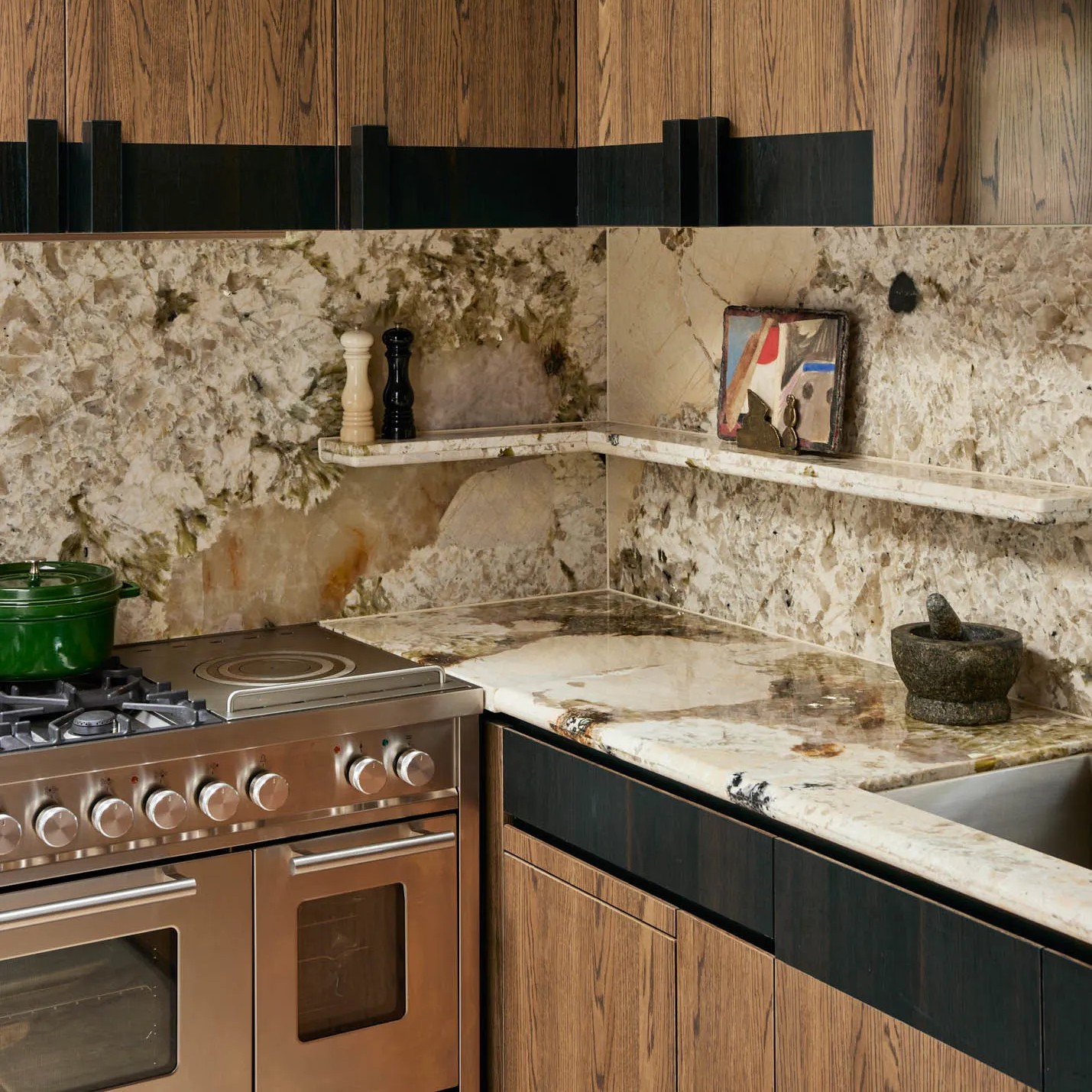
ILVE Professional Plus ovens are designed with a traditional cooking system, combining natural (static) heat and multifunction fan-assisted modes. These ovens rely less on forced airflow and more on radiant heat distribution from the upper and lower elements.
Because of this design, baking performance is influenced more by heat balance, rack positioning, and preheat stabilization rather than airflow intensity.
Uneven baking may appear as inconsistent browning, uneven rise, or differences in doneness across the oven cavity.
This guide helps determine whether the issue is related to heat distribution, setup, or a potential performance concern.
Common Causes
If baking results are uneven, the issue is typically related to one of the following:
- Incomplete preheat
- Static heat imbalance (top vs bottom)
- Incorrect cooking mode selection
- Rack position too high or too low
- Uneven load placement
- Multiple trays affecting heat distribution
- Bakeware type (reflective vs dark)
- Frequent door opening
Operational Note
Professional Plus ovens do not rely heavily on forced airflow. Instead, they use natural heat distribution, which may result in slight variation between upper and lower areas of the oven. This is normal behavior for traditional ovens.
Troubleshooting Tip
Review the troubleshooting chart on the following page before contacting service.| Possible Cause | What To Do |
|---|---|
| Bottom cooks faster than top | Lower element dominance |
| Top browns faster | Upper heat concentration |
| Uneven rise or baking | Heat imbalance |
| Multi-tray baking inconsistent | Static heat limitation |
| One side cooks slightly faster | Natural heat variation |
| Results improve with rotation | Normal static oven behavior |
Step 1: Confirm preheat completion
Steps:
- Set oven to desired temperature
- Wait for the oven indicator light on the front control panel to turn OFF, confirming preheat is complete
- Do NOT place food in oven early
Important:
- The oven indicator light remains ON during preheat and turns OFF once the set temperature is reached. Cycling of the light during use is normal.
Step 2: Confirm cooking mode
Steps:
- Check if oven is set to Convection / Fan mode
- Compare results using Static (non-convection) mode
- Test under standard conditions:
- 350°F (175°C)
- Single tray
Step 3: Evaluate rack position
Steps:
- Use center rack for most cooking
- Avoid placing food too close to top or bottom
- Adjust rack position and retest
Important:
- Top rack → stronger radiant heat
- Bottom rack → stronger base heat
- Center → most balanced
Step 4: Check oven load and tray placement
Steps:
- Avoid overcrowding the oven
- Space items evenly
- Do not allow trays to touch oven walls
- Avoid using oversized trays that block airflow
Important:
- Proper airflow is required for consistent baking results.
Step 5: Test single item performance
Steps:
- Place one item in the center of the oven
- Cook under standard conditions
- Observe results
Important:
- If cooking improves with one item, the issue is related to load/airflow.
Step 6: Minimize door opening
Steps:
- Avoid frequent door opening
- Limit heat loss during cooking
Important:
- Opening the door disrupts airflow and heat distribution.
Step 7: Reset the oven
Steps:
- Turn OFF the circuit breaker
- Wait at least 2 minutes
- Turn the breaker back ON
- Test the oven at 350°F (175°C) using Convection / Fan mode
Step 8: Observe temperature behavior
| Situation | Issue | Possible Causes |
|---|---|---|
| A | Top and bottom cook at different speeds | Normal static heat behavior |
| B | Results improve with tray rotation | Normal for traditional oven |
| C | Single tray is even, multiple trays uneven | Static heat limitation |
| D | Bottom consistently overcooks | Lower element influence |
Step 9: Identify unsafe conditions
Steps:
- Food consistently undercooked in center
- Uneven results regardless of setup
- No improvement after adjusting rack and load
If any of these occur:
- Turn OFF power at the breaker
- Do NOT continue use
- Contact a qualified technician
When to contact service
Service is required if:
- Uneven baking persists after proper preheat and setup
- Convection performance appears ineffective
- Results are inconsistent across all conditions
- Oven does not stabilize after preheat
Possible causes include:
- Convection fan malfunction
- Airflow obstruction
- Internal component issue
- Control system issue
These components require inspection by a qualified service technician.
Contact ILVE USA Customer Service to schedule service.
Overview
ILVE Nostalgie ovens are designed with a traditional cooking system, combining natural (static) heat and multifunction fan-assisted modes. These ovens rely less on forced airflow and more on radiant heat distribution from the upper and lower elements.
Because of this design, baking performance is influenced more by heat balance, rack positioning, and preheat stabilization rather than airflow intensity.
Uneven baking may appear as inconsistent browning, uneven rise, or differences in doneness across the oven cavity.
This guide helps determine whether the issue is related to heat distribution, setup, or a potential performance concern.
Common Causes
If baking results are uneven, the issue is typically related to one of the following:
- Incomplete preheat
- Static heat imbalance (top vs bottom)
- Incorrect cooking mode selection
- Rack position too high or too low
- Uneven load placement
- Multiple trays affecting heat distribution
- Bakeware type (reflective vs dark)
- Frequent door opening
Operational Note
Nostalgie ovens do not rely heavily on forced airflow. Instead, they use natural heat distribution, which may result in slight variation between upper and lower areas of the oven. This is normal behavior for traditional ovens.
Troubleshooting Tip
Review the troubleshooting chart on the following page before contacting service.| Possible Cause | What To Do |
|---|---|
| Bottom cooks faster than top | Lower element dominance |
| Top browns faster | Upper heat concentration |
| Uneven rise or baking | Heat imbalance |
| Multi-tray baking inconsistent | Static heat limitation |
| One side cooks slightly faster | Natural heat variation |
| Results improve with rotation | Normal static oven behavior |
Step 1: Confirm preheat completion
Steps:
- Set oven to desired temperature
- Wait for pven to indicate preheat complete
- Do NOT place food in oven early
Important:
- The oven must complete its preheating cycle before accurate baking performance is achieved.
Step 2: Confirm cooking mode
Steps:
- Check if oven is set to Convection / Fan mode
- Compare results using Static (non-convection) mode
- Test under standard conditions:
- 350°F (175°C)
- Single tray
Step 3: Evaluate rack position
Steps:
- Use center rack for most cooking
- Avoid placing food too close to top or bottom
- Adjust rack position and retest
Important:
- Top rack → stronger radiant heat
- Bottom rack → stronger base heat
- Center → most balanced
Step 4: Check oven load and tray placement
Steps:
- Avoid overcrowding the oven
- Space items evenly
- Do not allow trays to touch oven walls
- Avoid using oversized trays that block airflow
Important:
- Proper airflow is required for consistent baking results.
Step 5: Test single item performance
Steps:
- Place one item in the center of the oven
- Cook under standard conditions
- Observe results
Important:
- If cooking improves with one item, the issue is related to load/airflow.
Step 6: Minimize door opening
Steps:
- Avoid frequent door opening
- Limit heat loss during cooking
Important:
- Opening the door disrupts airflow and heat distribution.
Step 7: Reset the oven
Steps:
- Turn OFF the circuit breaker
- Wait at least 2 minutes
- Turn the breaker back ON
- Test the oven at 350°F (175°C) using Convection / Fan mode
Step 8: Observe temperature behavior
| Situation | Issue | Possible Causes |
|---|---|---|
| A | Top and bottom cook at different speeds | Normal static heat behavior |
| B | Results improve with tray rotation | Normal for traditional oven |
| C | Single tray is even, multiple trays uneven | Static heat limitation |
| D | Bottom consistently overcooks | Lower element influence |
Step 9: Identify unsafe conditions
Steps:
- Food consistently undercooked in center
- Uneven results regardless of setup
- No improvement after adjusting rack and load
If any of these occur:
- Turn OFF power at the breaker
- Do NOT continue use
- Contact a qualified technician
When to contact service
Service is required if:
- Uneven baking persists after proper preheat and setup
- Convection performance appears ineffective
- Results are inconsistent across all conditions
- Oven does not stabilize after preheat
Possible causes include:
- Convection fan malfunction
- Airflow obstruction
- Internal component issue
- Control system issue
These components require inspection by a qualified service technician.
Contact ILVE USA Customer Service to schedule service.
