
Overview
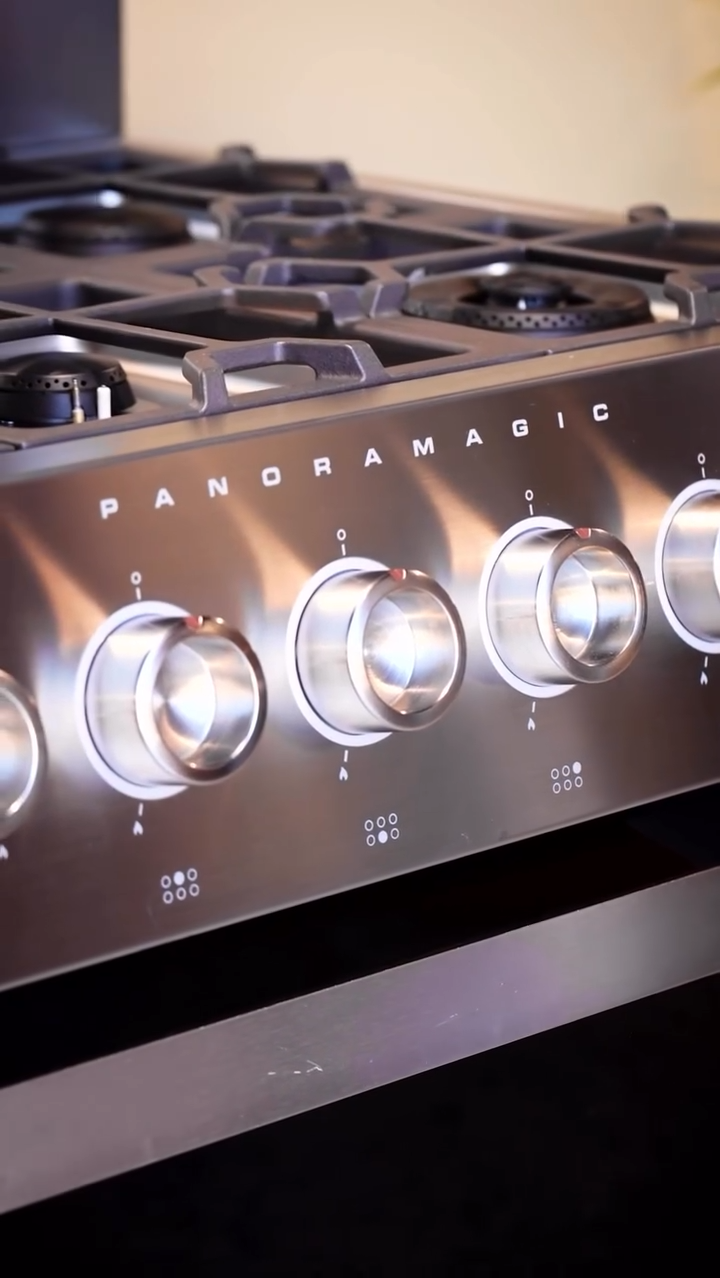
ILVE Panoramagic ovens use a TFT-based electronic control system combined with convection airflow to deliver fast and consistent cooking performance. These ovens are designed to regulate temperature precisely and distribute heat evenly once fully preheated.
If cooking performance is inconsistent, results may vary between uses or cooking conditions. Food may take longer than expected to cook, cook unevenly, or produce different results under similar settings.
During operation, the oven progresses through a controlled preheating phase followed by a stabilized cooking phase, with confirmation on the display when the set temperature is reached. Cooking performance becomes consistent only after this transition.
This guide will help determine whether inconsistent cooking performance is caused by setup, usage conditions, or a potential airflow or control-related issue.
Common Causes
If cooking performance is inconsistent, the issue is typically related to:
- Cooking before preheat is complete
- Large cavity stabilization delay
- Incorrect cooking mode selection
- Uneven oven load or overcrowding
- Blocked or restricted airflow
- Improper rack position
- Multiple trays affecting airflow
- Frequent door opening
- Early evaluation before stabilization
Operational Note
Panoramagic ovens rely on high-volume airflow and large cavity heat distribution. Proper preheat and correct loading are critical. The TFT display confirms when the oven has completed preheating and entered the cooking phase.
Troubleshooting Tip
Review the troubleshooting chart on the following page before contacting service.| Possible Cause | What To Do |
|---|---|
| Oven not fully preheated | Wait until TFT confirms preheat is complete before cooking |
| Large cavity not stabilized | Allow additional 5–10 minutes after preheat before inserting food |
| Incorrect cooking mode selected | Use Convection mode for most cooking; test Static if needed |
| Overcrowded oven or poor tray spacing | Reduce load and space items evenly |
| Airflow blocked (rear or around trays) | Ensure rear convection area is clear and airflow is not restricted |
| Improper rack position | Use center rack as baseline and adjust as needed |
| Multiple trays affecting airflow | Space trays evenly and avoid stacking too closely |
| Frequent door opening | Keep door closed during cooking to maintain stability |
| Results evaluated too early | Allow cooking to stabilize before checking results |
Step 1: Confirm preheat completion
Steps:
- Set oven to desired temperature
- Wait for TFT display to indicate preheat complete
- Do NOT place food in oven early
Important:
- The oven indicator light remains ON during preheat and turns OFF once the set temperature is reached. Cycling of the light during use is normal.
Step 2: Confirm cooking mode
Steps:
- Check if oven is set to Convection / Fan mode
- Compare results using Static (non-convection) mode
- Test under standard conditions:
- 350°F (175°C)
- Single tray
Result Interpretation:
- Convection improves consistency → airflow/setup issue
- No change → continue diagnosis
Step 3: Evaluate rack position
Steps:
- Use center rack for most cooking
- Avoid placing food too close to top or bottom
- Adjust rack position and retest
Important:
- Top rack → stronger radiant heat
- Bottom rack → stronger base heat
- Center → most balanced
Step 4: Check oven load and tray placement
Steps:
- Avoid overcrowding the oven
- Space items evenly
- Do not allow trays to touch oven walls
- Avoid using oversized trays that block airflow
Important:
- Proper airflow is required for consistent baking results.
Step 5: Test single item performance
Steps:
- Place one item in the center of the oven
- Cook under standard conditions
- Observe results
Important:
- Convection improves consistency → airflow/setup issue
- No change → continue diagnosis
Step 6: Evaluate multi-tray cooking
Steps:
- Space trays evenly
- Avoid stacking too closely
- Rotate trays if necessary
Step 7: Minimize door opening
Steps:
- Avoid frequent door opening
- Limit heat loss during cooking
Important:
- Opening the door disrupts airflow and heat distribution.
Step 8: Reset the oven
Steps:
- Turn OFF the circuit breaker
- Wait at least 2 minutes
- Turn the breaker back ON
- Test the oven at 350°F (175°C) using Convection / Fan mode
Step 8: Observe temperature behavior
| Situation | Issue | Possible Causes |
|---|---|---|
| A | Improves after full preheat | Normal operation |
| B | Improves with rack adjustment | Rack position issue |
| C | Improves with reduced load | Airflow / overcrowding issue |
| D | Single tray consistent, multi-tray inconsistent | Airflow limitation |
| E | No change after adjustments | Possible performance issue |
Step : Identify unsafe conditions
Steps:
- Cooking remains inconsistent after proper setup
- No improvement across different modes
- Results vary significantly under same conditions
If any of these occur:
- Turn OFF power at the breaker
- Do NOT continue use
- Contact a qualified technician
When to contact service
Service is required if:
- Cooking performance remains inconsistent after full preheat
- Results do not improve with load, rack, or mode adjustments
- Oven does not stabilize during operation
Possible causes include:
- Temperature sensor issue
- Convection fan malfunction
- Airflow obstruction
- Electronic control system issue
These components require inspection by a qualified service technician.
Contact ILVE USA Customer Service to schedule service.
