
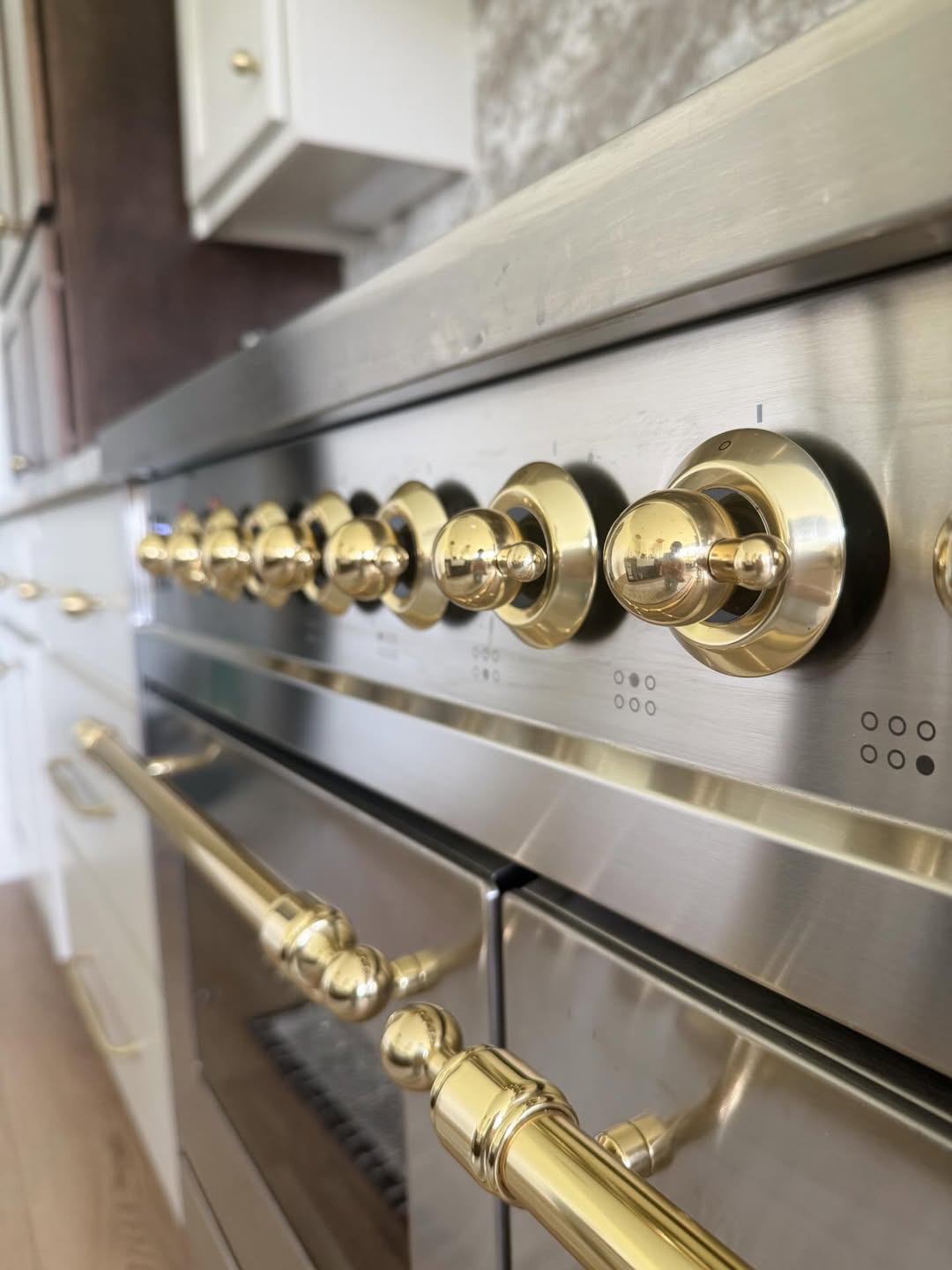
Overview
Nostalgie II ranges use a more traditional burner system with an electronic programmer and classic heat distribution. Compared to Panoramagic, heat output is more moderate and less aggressively circulated, but surface components can still become hot during normal cooking.
The manual clearly states that burners, grates, and surrounding surfaces can become hot enough to cause burns during operation.
Knobs may feel warm due to heat rising from burners and cookware. This is expected within normal cooking conditions.
Common Causes
Knobs overheating is typically related to:
- High burner flame settings
- Large cookware directing heat forward
- Prolonged cooking at high temperatures
- Heat buildup from multiple burners
- Improper flame size (flame extending beyond cookware)
- Limited airflow around control panel
Operational Note
- Knobs may become warm during normal operation
- Heat increases with higher flame settings and longer cooking times
- Surfaces near burners can become hot
Warm to hot knobs can be normal under heavy use.
Knobs should not become extremely hot or unsafe to touch.
Troubleshooting Tip
Review the troubleshooting chart on the following page before contacting service.| Possible Cause | What To Do |
|---|---|
| High-output burners | Reduce flame to appropriate level |
| Flame extending beyond cookware | Adjust flame size to fit pan |
| Oversized cookware | Reposition cookware centrally |
| Multiple burners in use | Reduce simultaneous usage if possible |
| Heat buildup from long cooking | Allow unit to cool between use |
| Poor ventilation | Improve airflow (use hood, open space) |
Step 1: Evaluate cooking conditions
Steps:
- Check how many burners are active
- Identify heat levels and duration
Result interpretation:
- Heavy load → Likely normal
- Light load → Continue troubleshooting
Step 2: Check flame size and position
Steps:
- Observe flame relative to cookware
Result interpretation:
- Adjust flame so it does not extend beyond pan edges
Step 3: Inspect cookware size and placement
Steps:
- Check if cookware exceeds burner diameter
Important:
- Use properly sized cookware
- Keep cookware centered over burner
Step 4: Evaluate airflow and ventilation
Steps:
- Check if range hood is operating
- Ensure airflow is not restricted
Important:
- Do not use downward airflow systems, as they can disrupt combustion and heat flow
Action:
- Use proper overhead ventilation
- Avoid airflow disruption
Step 5: Reduce load and test
Steps:
- Use fewer burners
- Lower flame intensity
Action:
- Heat reduces → Normal condition
- No change → Continue
Step 6: Identify pattern
| Situation | Observed Behavior | What It Indicates |
|---|---|---|
| A | Knobs warm during heavy cooking | Normal operation |
| B | Heat increases with high flame | Flame size or cookware issue |
| C | Heat improves after adjusting setup | Heat direction or airflow issue |
| D | Knobs excessively hot under all conditions | Possible abnormal condition |
Step 7: Identify unsafe conditions
Steps:
- Knobs too hot to safely touch
- Heat present even under low usage
- Discoloration or damage near control area
If any of these occur:
- Turn OFF power at the breaker
- Allow unit to cool
- Do NOT continue use
- Contact a qualified technician
When to contact service
Service is required if:
- Knobs become excessively hot under normal use
- No improvement after adjusting flame and cookware
Possible causes include:
- Internal heat shielding issue
- Improper airflow within appliance
- Component or installation issue
These components require inspection by a qualified service technician.
Contact ILVE USA Customer Service to schedule service.
