
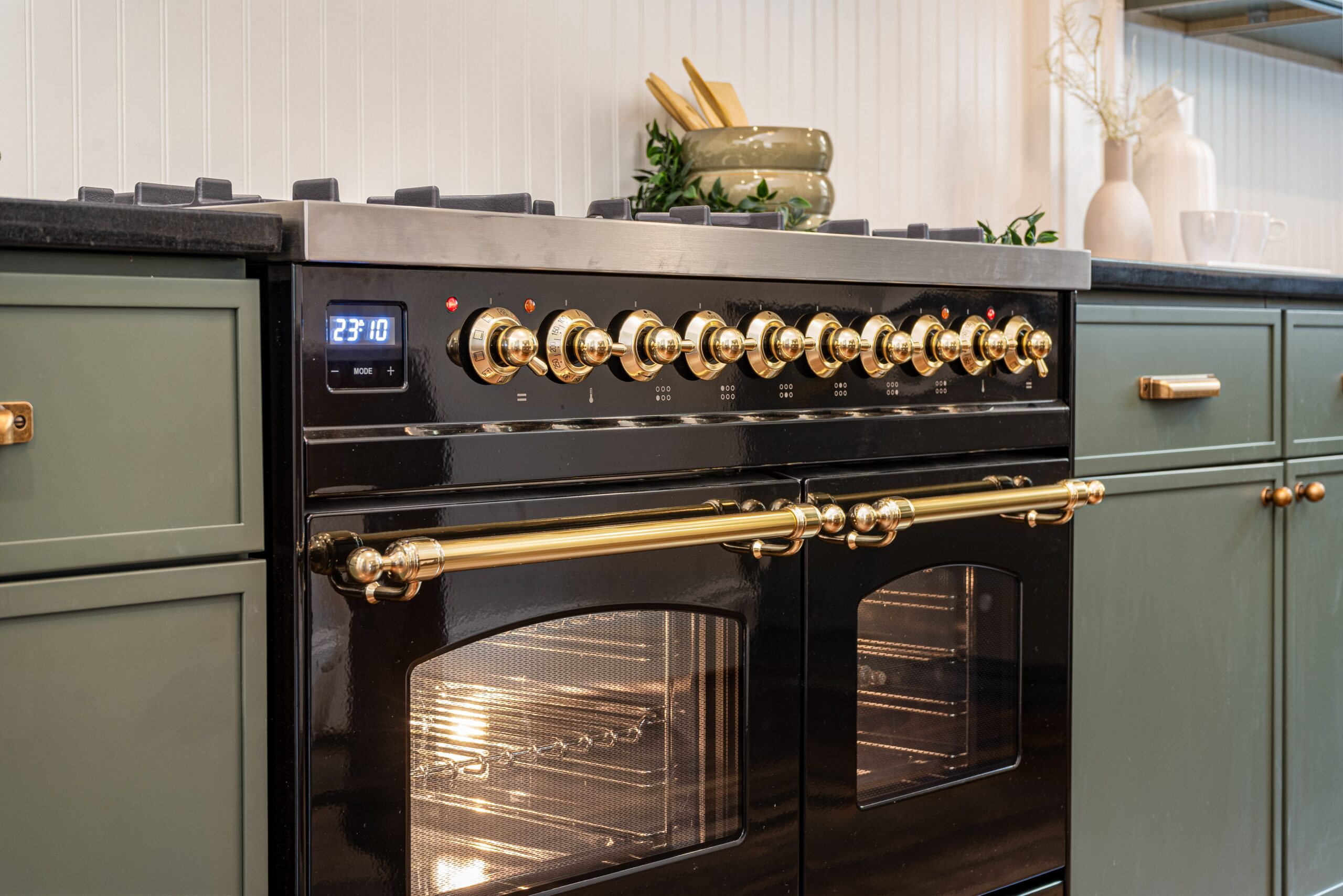
Overview
The oven fan in Nostalgie models is designed to support heat distribution and assist with cooling during and after operation. It is normal to hear some level of airflow noise, especially when the oven is heating or cooling down.
Compared to other series, Nostalgie ovens rely more on traditional heat combined with assisted airflow rather than strong convection. Because of this, fan noise is typically more subtle but may become noticeable depending on cooking conditions.
In many cases, what is perceived as a noise issue is related to airflow interaction with oven components, cookware, or minor debris. These sounds may vary depending on load, temperature, and oven usage patterns.
If the noise becomes unusually loud, changes suddenly, or includes grinding, rattling, or scraping sounds, this may indicate airflow restriction, debris interference, or a mechanical issue. Persistent or harsh noise should be inspected further.
Common Causes
If unusual fan noise is present, the issue is typically related to:
- Airflow obstruction inside the oven
- Food debris or grease buildup
- Improper rack or tray placement
- Oven overcrowding affecting airflow
- Moisture or residue after cleaning
- Fan blade interference
- Normal cooling fan operation (misinterpreted as a fault)
Operational Note
- Some fan noise is normal during operation and cooling
- The fan may continue running after the oven is turned off
- Airflow sound may vary depending on load and temperature
A light airflow or humming sound is normal.
Grinding, scraping, or loud vibration is not normal and should be addressed.
Troubleshooting Tip
Review the troubleshooting chart on the following page before contacting service.| Possible Cause | What To Do |
|---|---|
| Normal fan operation | Light airflow sound is expected during cooking and cooling |
| Oven not fully preheated | Allow full preheat before evaluating noise |
| Airflow interaction with load | Reduce load or reposition items |
| Food debris near fan | Clean rear oven area |
| Moisture present after cleaning | Run oven briefly to dry interior |
| Racks or trays affecting airflow | Adjust rack positions |
| Cooling fan running after use | Allow cycle to complete normally |
Step 1: Confirm when the noise occurs
Steps:
- Turn oven on and set to a standard temperature (e.g., 350°F)
- Listen during preheat, cooking, and after turning off
Result interpretation:
- Noise during cooking only → Normal operation
- Noise continues after oven is off → Cooling fan (normal)
- Noise is loud or irregular → Continue diagnosis
Step 2: Check for airflow obstruction
Steps:
- Turn off oven and allow to cool
- Inspect rear interior panel and fan area
Result:
- Remove foil, trays, or items touching the rear wall
- Ensure airflow openings are clear
Step 3: Check rack and tray placement
Steps:
- Review rack positions
- Check spacing between trays
Action:
- Use center rack as baseline
- Avoid trays touching oven walls
- Space items evenly
Step 4: Check for recent cleaning or moisture
Steps:
- Determine if oven was recently cleaned
Result:
- Moisture present → Allow oven to fully dry
- Noise improves after use → Temporary condition
Step 5: Test under empty conditions
Steps:
- Run oven empty at 350°F
Result:
- Noise disappears → Load or airflow issue
- Noise remains → Possible internal issue
Step 6: Check gas supply
| Situation | Observed Behavior | What It Indicates |
|---|---|---|
| A | Noise occurs during cooking only | Normal airflow |
| B | Noise improves after cleaning oven interior | Debris or buildup |
| C | Noise changes depending on load or rack position | Airflow interaction with contents |
| D | Noise occurs only after oven is turned off | Cooling fan operation |
| E | Noise persists under all conditions | Possible internal issue |
Step 7: Identify unsafe conditions
Steps:
- Grinding or scraping sounds
- Loud vibration or rattling
- Noise that persists under all conditions
If any of these occur:
- Turn OFF appliance
- Do NOT continue use
- Allow unit to cool
- Contact service
When to contact service
Service is required if:
- Noise is loud, grinding, or persistent
- No improvement after cleaning and airflow checks
Possible causes include:
- Fan blade damage or obstruction
- Cooling fan motor issue
- Internal airflow blockage
- Mechanical misalignment
These components require inspection by a qualified service technician.
Contact ILVE USA Customer Service to schedule service.
