
Overview
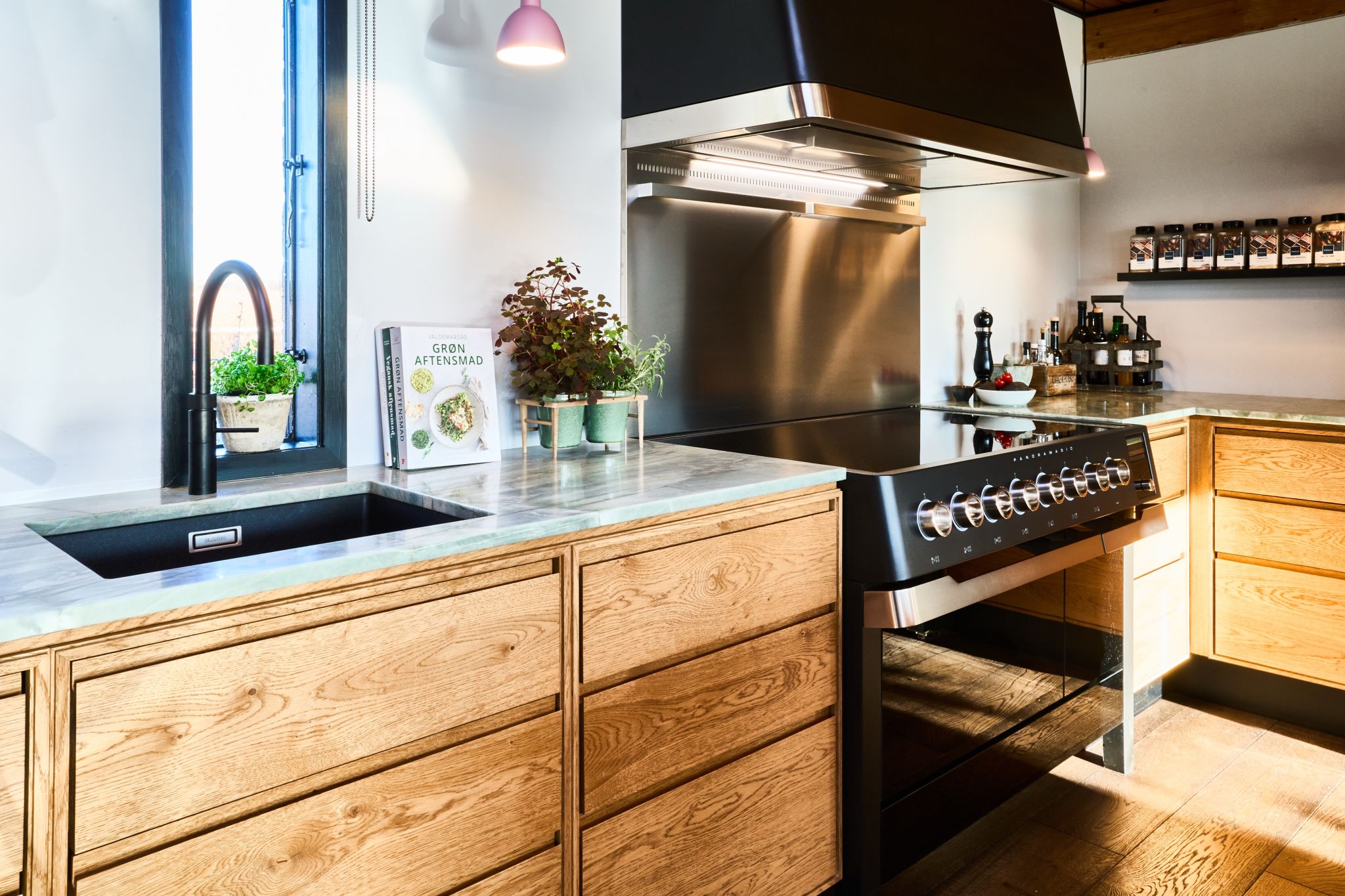
ILVE Panoramagic ovens are designed with multi-element heating systems and precision electronic controls to ensure even heat distribution and consistent cooking performance.
If the oven is heating but taking longer than expected to reach temperature, this is typically not a failure, but rather the result of operational settings, airflow restrictions, or normal performance characteristics of professional-grade ovens.
In many cases, extended preheat time is caused by incorrect settings, internal obstructions, or environmental factors.
This guide helps distinguish between normal operating behavior and true performance issues, ensuring accurate troubleshooting and optimal cooking results.
Common Causes
If the oven display and controls operate normally but the oven does not heat, the issue is typically related to one of the following:
- Incorrect cooking mode selected
- Internal airflow obstruction (e.g., accessories inside oven)
- Large oven cavity requiring longer preheat time
- Opening the oven door during preheat
- Partial electrical power supply
- Heating element not fully functioning
- Cooling fan or airflow issue
- Temperature calibration variance
Operational Note
Panoramagic ovens are designed as professional-grade appliances with larger oven cavities and multi-element heating systems.
Because of this design, preheat time may be longer than standard residential ovens, as the system prioritizes even heat distribution and temperature stability.
However, excessive delay beyond normal preheat times is not typical and should be evaluated.
Troubleshooting Tip
Review the troubleshooting chart on the following page before contacting service.| Possible Cause | What To Do |
|---|---|
| Incorrect cooking mode selected | Select Convection / Fan Cooking mode for faster preheat instead of static/bake mode. |
| Temperature set too low | Set temperature to desired level (e.g., 350°F+) and allow sufficient time to reach it. |
| Oven not started | After selecting function and temperature, press Start to begin heating. |
| Delayed start or programmed cooking active | Cancel delayed start and ensure oven is in manual cooking mode. |
| Control lock enabled | Disable child lock or control lock in settings. |
| Internal airflow obstruction | Remove trays, foil, or rotisserie drip pan restricting airflow. |
| Oven door opened during preheat | Keep oven door closed until preheat is complete. |
| Large oven cavity (normal behavior) | Allow additional time; professional ovens heat more gradually and evenly. |
| Incomplete power supply (no 240V) | Check and reset breaker; confirm unit is receiving full 220–240V supply. |
| Heating element or control issue | Escalate to service to test elements, sensors, or control board. |
Step 1: Confirm a cooking function is selected
Different cooking modes affect preheat speed. Convection modes provide faster and more efficient preheating.
Steps:
- Select Convection Bake / Fan Cooking
- Set temperature to 350°F (175°C)
- Allow the oven to run for 5–10 minutes
Note: Convection modes preheat faster than static/bake modes. Refer to the ILVE Oven Functions Guide for Panoramagic. If preheat remains slow, proceed to the next step.
Step 2: Check for delayed start or programs
Majestic ovens support programmed and delayed cooking, which can prevent heating from starting immediately. Steps:- Cancel any delayed start or timed cooking program
- Return the oven to manual operation
- Restart the cooking cycle
Step 3: Check for control lock
If control lock is enabled, the oven may not respond properly to input.
Steps:
- Disable child lock / control lock in settings
- Restart the cooking cycle
Note: Quick Start is for preheating only and should not be used as a continuous cooking mode.
Step 4: Check for internal obstructions
Items left inside the oven can restrict airflow and slow heating.
Steps:
- Remove any baking trays or pans not in use
- Remove foil blocking vents
- Remove the rotisserie drip pan unless in use (common issue)
Test the oven again.
Step 5: Avoid opening the oven door
Opening the oven door during preheat can significantly delay heating.
Steps:
- Keep the oven door closed during preheat
- Allow the oven to reach the set temperature before opening
Even brief door openings can disrupt heat buildup and extend preheat time.
Step 6: Reset the oven power
A reset can clear minor control or sensor inconsistencies.
Steps:
- Turn OFF the circuit breaker
- Wait at least 2 minutes
- Turn the breaker back ON
Then test the oven:
- Cooking mode: Convection / Fan
- Temperature: 350°F (175°C)
If preheat remains slow, proceed to the next step.
Step 7: Confirm electrical supply
ILVE ranges require a 220–240 volt supply for proper heating performance. If the oven is receiving partial power:- Heating may be reduced or inconsistent
- Heating may stop unexpectedly
- Display or controls may reset or shut off
- Breaker if fully ON
- No partial trip has occurred
- Unit is connected to 220-240V supply
Electrical Requirements & Tips
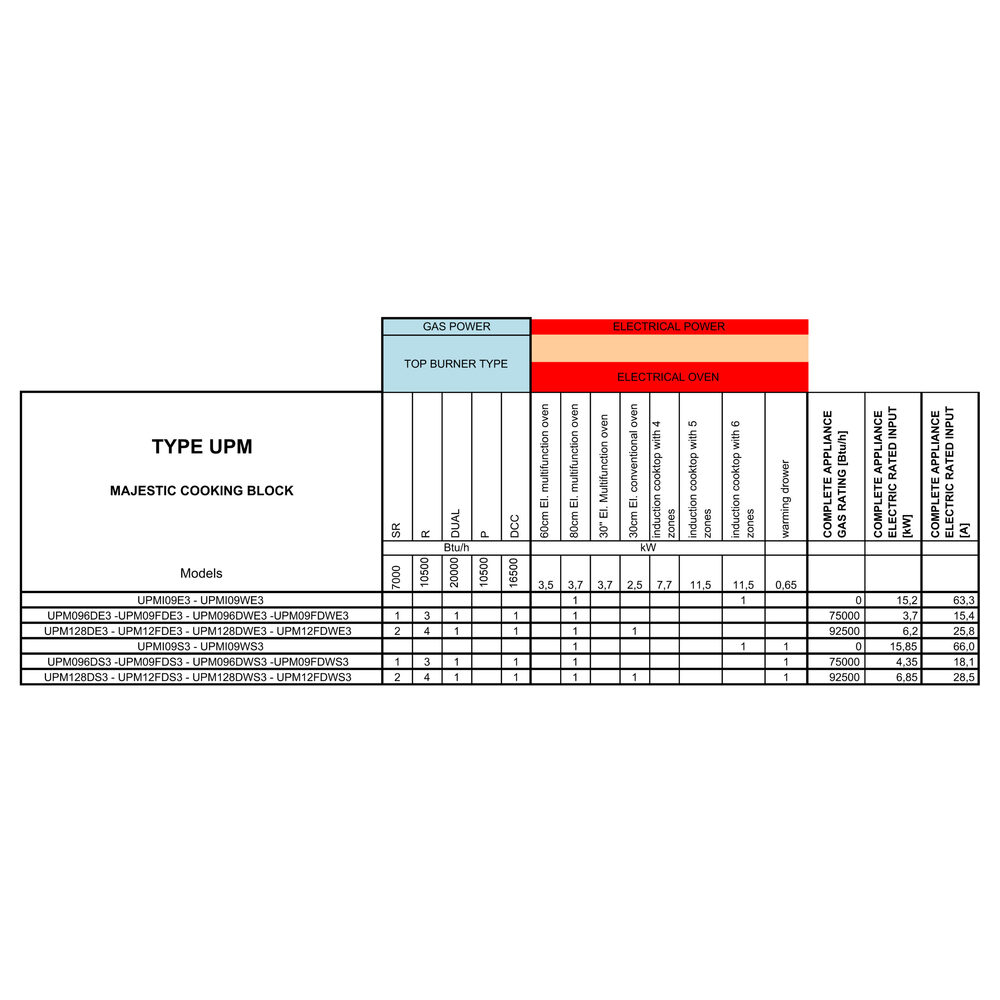
- Circuit amperage varies by model and size — refer to the series-specific power tables at the end of this guide.
- If the range receives 120V instead of 240V, the display and lights may function, but the oven will not heat properly.
- If electrical supply is uncertain, consult a qualified electrician.
Step 8: Identify oven behavior
| Situation | Issue | Possible Causes |
|---|---|---|
| A | Oven heats slowly |
|
| B | Uneven heating or difficulty reaching temperature |
|
| C | Broiler works but bake heats slowly |
|
| D | Excessive preheat time (20+ minutes) |
|
Step 9: Cooling fan & airflow check
Internal airflow is critical for proper heat distribution. If airflow is reduced, preheat time may increase.
Steps:
- Listen for cooling fan operation
- Confirm airflow is present during oven operation
If the fan is not running properly, service may be required.
Step 10: Gas vs electric considerations
| Gas Oven Cavities | Electric / Dual-Fuel Oven Cavities |
|---|---|
If flame is weak or inconsistent:
|
If one element is not functioning:
|
When to contact service
If the oven does not heat after completing these steps, the problem may involve:
- Temperature sensor (thermostat probe)
- Heating elements
- Convection fan
- Electronic control board
These components require inspection by a qualified service technician.
Contact ILVE USA Customer Service to schedule service.
