
Overview
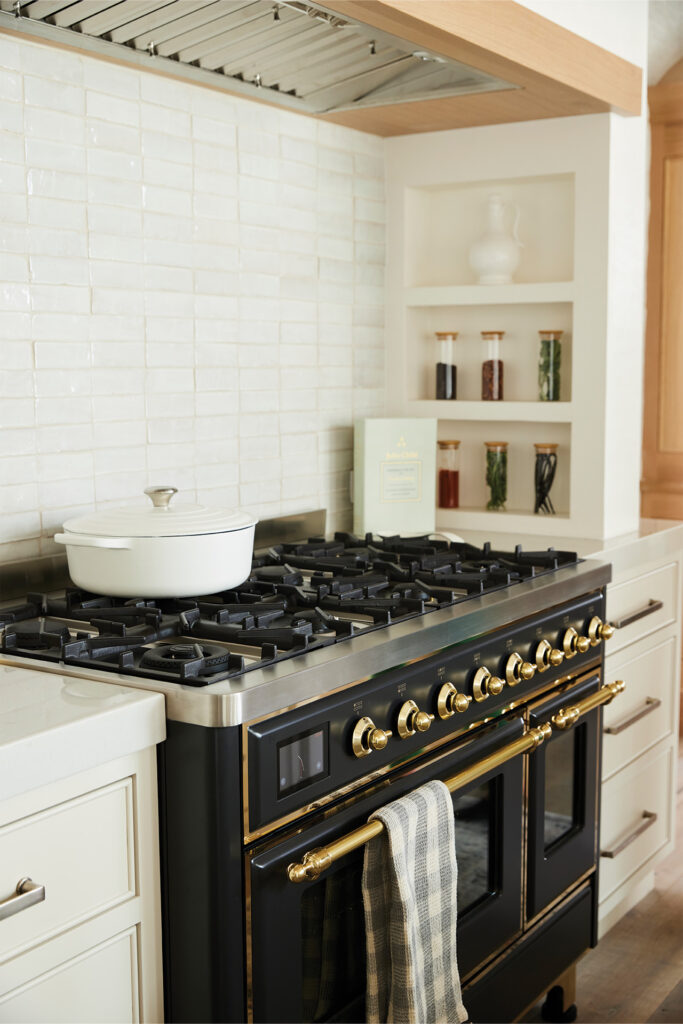
ILVE Majestic ovens use a TFT-based electronic temperature control system combined with convection airflow to regulate cooking temperature. These ovens are designed to heat efficiently and maintain consistent performance once fully preheated.
If the oven temperature is inaccurate, it may appear that the oven is running too hot, too cold, or behaving inconsistently compared to the set temperature. In some cases, the temperature may seem irregular, with noticeable fluctuations during cooking.
During normal operation, the oven temperature will cycle above and below the set temperature. A variation of approximately ±20–30°F is normal, with total swings of up to 40–60°F during heating cycles. This behavior allows the oven to maintain an average temperature over time.
This guide will help determine whether the temperature difference or irregular behavior is caused by normal operation, cooking conditions, or a sensor/control issue, and will walk through step-by-step checks to verify proper oven performance.
Common Causes
If the oven temperature appears inaccurate, the issue is typically related to one of the following:
- Normal temperature cycling (±20–30°F variation)
- Convection airflow intensifying heat
- Temperature not adjusted for fan cooking
- Incomplete preheat
- Opening the oven door during cooking
- Improper oven load or airflow restriction
- Rack position affecting heat distribution
- Temperature sensor variation
- Control or calibration variation
Operational Note
Majestic ovens regulate temperature by cycling above and below the set point. This is normal and necessary for consistent cooking. Because of strong convection airflow, the oven may cook faster or feel hotter than expected. A total swing of 40–60°F during cycling is normal, but the oven should maintain an average temperature over time.
Consistent deviation beyond this range is not normal and should be evaluated.
Troubleshooting Tip
Review the troubleshooting chart on the following page before contacting service.| Possible Cause | What To Do |
|---|---|
| Oven cooks hotter than expected | Convection airflow — reduce temperature by ~25°F |
| Oven cooks cooler than expected | Incomplete preheat or heat loss |
| Temperature fluctuates within ±20–30°F | Normal cycling behavior |
| Temperature swings up to 40–60°F | Control system interruption — reset required |
| Temperature consistently off by 50–60°F+ | Sensor or calibration issue |
| Oven does not stabilize over time | Control or regulation problem |
Step 1: Confirm cooking mode
Steps:
- Check if oven is set to Convection / Fan mode
- Compare results using Static (non-convection) mode
- Test under standard conditions:
- 350°F (175°C)
- Convection mode
Important:
- Convection mode circulates heat more aggressively and typically requires reducing the set temperature by ~25°F.
Step 2: Allow full preheat
Steps:
- Allow oven to fully reach the set temperature before cooking
- Wait for preheat completion indicator on the TFT display
- Avoid opening the door during preheat
Important:
- The oven must fully preheat before temperature can stabilize.
Step 3: Verify temperature over time
Steps:
- Observe temperature over multiple heating cycles
- Allow oven to stabilize for at least 10–15 minutes after preheat
- Avoid checking immediately after opening the door
Important:
- Temperature readings taken too early or after opening the door may appear inaccurate.
Step 4: Evaluate oven load & airflow
Steps:
- Avoid overcrowding the oven
- Ensure air can circulate freely
- Do not block rear fan or vents
- Space items evenly
Step 5: Check rack position
Steps:
- Use center rack for most cooking
- Adjust based on cooking results
Note:
- Top rack → more radiant heat
- Bottom rack → stronger base heat
- Center → most balanced
Step 6: Minimize door opening
Steps:
- Use center rack for most cooking
- Adjust based on cooking results
Note:
- Top rack → more radiant heat
- Bottom rack → stronger base heat
- Center → most balanced
Step 7: Reset the oven
Steps:
- Turn OFF the circuit breaker
- Wait at least 2 minutes
- Turn the breaker back ON
- Test the oven at 350°F (175°C) using Convection / Fan mode
Step 8: Observe temperature behavior
| Situation | Issue | Possible Causes |
|---|---|---|
| A | Temperature fluctuates within ±20–30°F | Normal operation |
| B | Temperature swings up to 40–60°F but stabilizes over time | Normal cycling |
| C | Temperature consistently too high or too low (~50–60°F off) | Sensor or calibration issue |
| D | Oven does not stabilize or continues drifting | Control/regulation issue |
Step 9: Identify unsafe conditions
Steps:
- Oven overheats beyond expected range
- Food consistently burns under normal conditions
- Temperature continues rising without cycling
If any of these occur:
- Turn OFF power at the breaker
- Do NOT attempt repeated resets
- Do NOT attempt internal inspection
- Contact a qualified technician
When to contact service
Service is required if:
- Temperature is consistently off by 50–60°F or more
- Oven does not stabilize after preheat
- Food burns or undercooks under normal conditions
- Temperature does not cycle properly
Possible causes include:
- Temperature sensor failure
- Control board malfunction
- Calibration issue
- Airflow or regulation problem
These components require inspection by a qualified service technician.
Contact ILVE USA Customer Service to schedule service.
